Introduction
Sound therapy is gaining attention in yoga and naturopathy for its natural healing effects. Many people use sound therapy to support wellness, reduce stress, and improve mood. In yoga and naturopathy, sound therapy often uses music, chanting, or special instruments. Because it is gentle and non-invasive, sound therapy appeals to those seeking natural healing methods. In this blog, you will learn what sound therapy is, how it works, its benefits, and how to use it safely.
What is Sound Therapy?
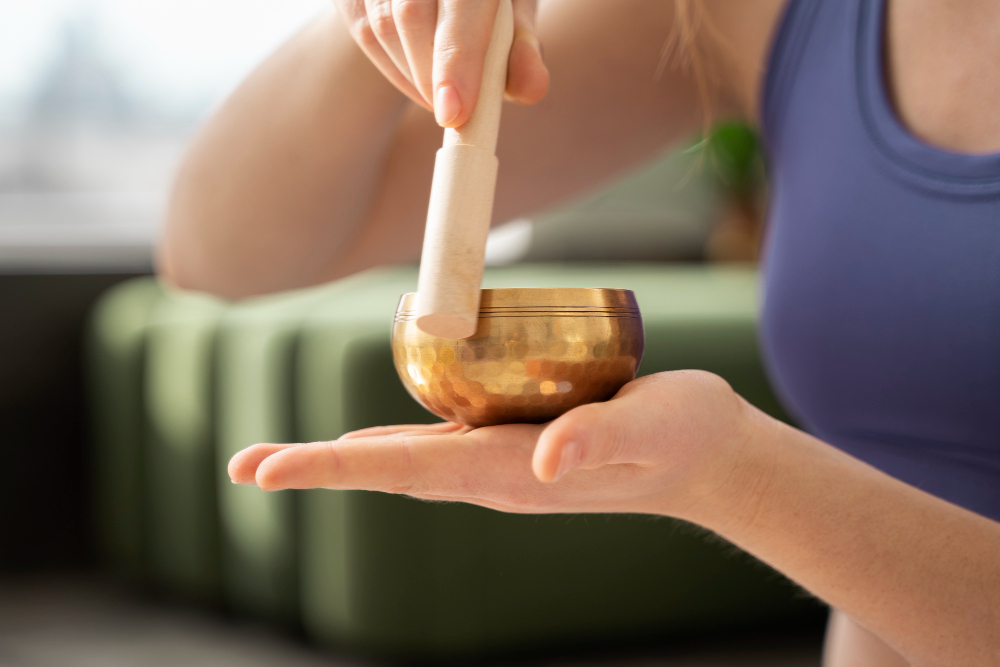
Sound therapy uses sound waves to help the mind and body relax. In yoga and naturopathy, it often includes chanting, singing bowls, or calming music. Some people also use tuning forks or gongs. The main goal is to create a peaceful state that supports healing. Many cultures have used sound for wellness for thousands of years. Today, sound therapy is a popular part of holistic health and natural healing.
How Does Sound Therapy Work?
Sound therapy works by sending gentle sound waves through the air or body. These sounds can help slow your breathing and heart rate. As a result, you may feel calmer and more focused. In yoga, sound therapy often uses mantras or chants to help you relax. In naturopathy, sound may be used to balance energy in the body. Some experts believe that sound can help reduce stress by changing brain wave patterns. However, more research is needed to fully understand how sound therapy works.
Benefits of Sound Therapy
Many people report feeling better after sound therapy. While results can vary, some common benefits include:
For example, some studies suggest that sound therapy may help lower blood pressure and improve well-being. In yoga and naturopathy, sound therapy is often used to support the body’s natural healing process. Still, it should not replace medical care for serious health problems.
Common Methods and Techniques
There are many ways to practice sound therapy in yoga and naturopathy. Some popular methods include:
Each method has its own style and benefits. You can try different techniques to see which one feels best for you.
Safety, Risks, and Contraindications
Sound therapy is usually safe for most people. However, there are a few things to keep in mind:
For most, sound therapy is gentle and relaxing. But, it is important to listen to your body and stop if you feel uncomfortable. If you are unsure, talk to your doctor before starting sound therapy.
Tips for Getting Started
If you want to try sound therapy, here are some helpful tips:
With practice, you may notice more relaxation and better well-being. Remember, everyone responds differently, so be patient with yourself.
Conclusion
Sound therapy in yoga and naturopathy offers a gentle way to support your health. Many people find it helpful for relaxation and stress relief. However, it is important to use safe methods and seek expert advice. Consult a certified yoga or naturopathy practitioner before starting sound therapy for personalized advice.